


At a Glance
- The Golden Rule: Always pre filter cloudy water.
- Method 1: High Volume Gravity Filtration (Best for daily household volume)
- Method 2: Liquid Bleach vs. Pool Shock (Best for chemical pathogen destruction)
- Method 3: Heat and Boiling (Best for guaranteed viral destruction)
- Method 4: Chlorine Dioxide Tablets (Best for bug out bags and backups)
- Method 5: Ultraviolet Light Purification (Best for fast, chemical free treatment of clear water)
- Method 6: Solar Water Disinfection (Best for desperate, zero gear scenarios)
- Method 7: Emergency Distillation (Best for heavy metal and chemical removal)
It’s easy to look at a couple of cases of bottled water in the garage and feel prepared for a blackout. But if a major storm knocks out the power for a week, the math catches up with you fast. For a family of four, that small stash will run dry in two days.
So, what happens on day three?
When the city grid stays down, municipal water pump will fail. The pressure will drop next, and the water sitting in your home pipes will be unsafe to drink. Once your stored supply is gone and the grocery store shelves are stripped bare, you need a reliable alternative.
The good news is, you don’t have to buy a bunch of expensive camping gear to handle it. You really just need to know a few practical ways to clean water right in your own kitchen so your family stays hydrated and healthy during an emergency.
The Golden Rule: Why You Must Pre Filter Before Any Purification Method
No water purification trick works well if the water is full of mud and grit. Dirt literally hides bacteria from UV lights and cleaning chemicals, and it will ruin your expensive water filters in a heartbeat. That is exactly why the real secret to making your gear last is filtering out the chunks first. Just grab a cheap, bulk pack of coffee filters from the grocery store. Always run cloudy water through a coffee filter or a clean cotton shirt before you try to actually purify it.
7 Emergency Water Purification Methods for Disaster Preparedness
Method 1: High Volume Gravity Filtration

You might wonder why a filter is on a purification list. It’s here because this is the best way to handle the high volume of water a family actually needs during a disaster. While small filters are okay for one person, this “workhorse” can process gallons at a time while you focus on other tasks. This system uses gravity to pull water through tiny pores in ceramic or carbon filters, trapping bacteria and parasites without needing fuel or electricity.
- Instructions: Assemble the filter elements, pour your pre filtered water into the top basin, and let gravity push the clean water into the bottom storage basin.
- Pros: Removes 99.9 percent of bacteria, protozoa like Giardia, and heavy metals. Requires zero electricity and offers a high daily output.
- Cons: Standard micro filters do not catch all viruses. High upfront cost to purchase the system.
Check Price on Amazon →
Method 2: Liquid Bleach Purification
This chemical halogen method is best for clear but compromised source such as from taps, wells, or heavily rotated water storage barrels. This purification type uses standard unscented 6 percent sodium hypochlorite, commonly known as household bleach, to chemically destroy the cell walls of bacteria and viruses. It’s a highly accessible method because most families already have the solution sitting in their laundry room.
- Instructions: Add 8 drops of unscented 6 percent liquid bleach per gallon of clear water. Stir and wait 30 minutes. If the water is cloudy, use 16 drops.
- Pros: Extremely cheap, widely available, and highly effective against both viruses and bacteria.
- Cons: Liquid bleach degrades into saltwater in just six months, so you must constantly rotate your supply. Chemical ratios must be exact.
- Note: Never mix bleach with other household chemicals. You must only use plain, unscented bleach. Do not use splashless, scented, or color safe bleach, as the added chemicals are toxic to consume.
Method 3: Heat and Boiling

Boiling is the absolute standard for highly suspect water like urban surface water, shallow wells, or post flood tap water. By bringing water to a rolling boil for one full minute, or three minutes if you are above 5,000 feet elevation, you thermally destroy all biological life in the water.
- Instructions: Place your water in a heavy pot over a heat source. Bring it to a rolling, bubbling boil for one full minute. Let it cool completely before drinking.
- Pros: 100 percent foolproof against all biological threats, including all viruses.
- Cons: The fuel trap. Boiling requires immense energy. Wasting your finite camp stove fuel to boil daily drinking water for a family of four is a massive strategic error during a disaster.
- Note: Handling heavy pots of boiling water over unstable emergency camp stoves is a major burn and fire hazard. Keep children away from the cooking area.
Method 4: Chlorine Dioxide Tablets

Chlorine dioxide is the modern standard for chemical treatment. These drop-in tablets are perfect for fast relocation situations, hastily gathered stream water, or when your primary gravity filter clogs. The tablets release oxygen to disrupt and destroy pathogen proteins. While old school manuals recommend iodine, iodine tastes terrible and fails to kill Cryptosporidium.
- Instructions: Drop the manufacturer recommended number of tablets into your water container. Stir or shake, then wait the required four hours for the chemicals to destroy cold water cysts.
- Pros: Kills viruses, bacteria, and protozoa. Leaves almost no chemical taste and has a stable four year shelf life.
- Cons: Expensive to scale for daily household use. Requires a long wait time for maximum effectiveness.
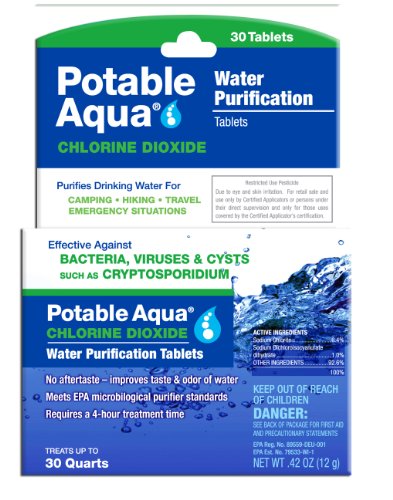
potable aqua Chlorine Dioxide Water Purification Tablets – 30 Count, Blue, (3093)
- EFFECTIVE WATER PURIFICATION: Potable Aqua Water Purification Tablets provide an effective solution for eliminating bacteria…
- VERSATILE EMERGENCY USE: These water treatment tablets are ideal for camping, hiking, traveling, and emergency preparedness…
Last update on 2026-05-13 / Affiliate links / Images from Amazon Product Advertising API
Method 5: Ultraviolet Light Water Purification

Ultraviolet light is best for perfectly clear, non cloudy water that might have an unknown viral load. It uses battery operated UV pens to blast the water, which scrambles the DNA of pathogens so they cannot reproduce and make you sick.
- Instructions: Turn the UV pen on, submerge the glass bulb in your container of clear water, and stir continuously until the device indicator light signals the treatment is complete.
- Pros: Extremely fast processing time and leaves absolutely zero chemical taste.
- Cons: Fails completely in cloudy water because dirt blocks the light rays. Relies entirely on a fragile glass bulb and a stockpile of batteries.
Check Price on Amazon →
Method 6: Solar Water Disinfection

image from emergencywash.org
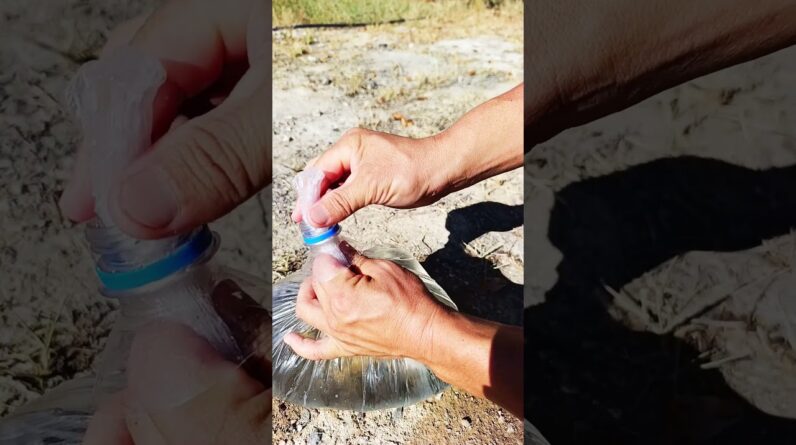
Also known as SODIS, solar wash disinfection is the absolute desperate contingency for biologically unsafe water when you have zero gear, zero fuel, and zero chemicals. It works by filling clear PET plastic bottles with water, laying them flat on a reflective surface like a metal roof, and leaving them in direct, intense sunlight for 6 to 48 hours. The natural UV rays and heat from the sun will slowly kill the pathogens inside.
- Instructions: Fill clear plastic bottles with water, place them in direct, unbroken sunlight on a hot surface, and wait up to two full days.
- Pros: Completely free and requires zero specialized gear or fuel.
- Cons: Highly weather dependent and extremely slow. Fails if the bottles used are glass, tinted, or too thick.
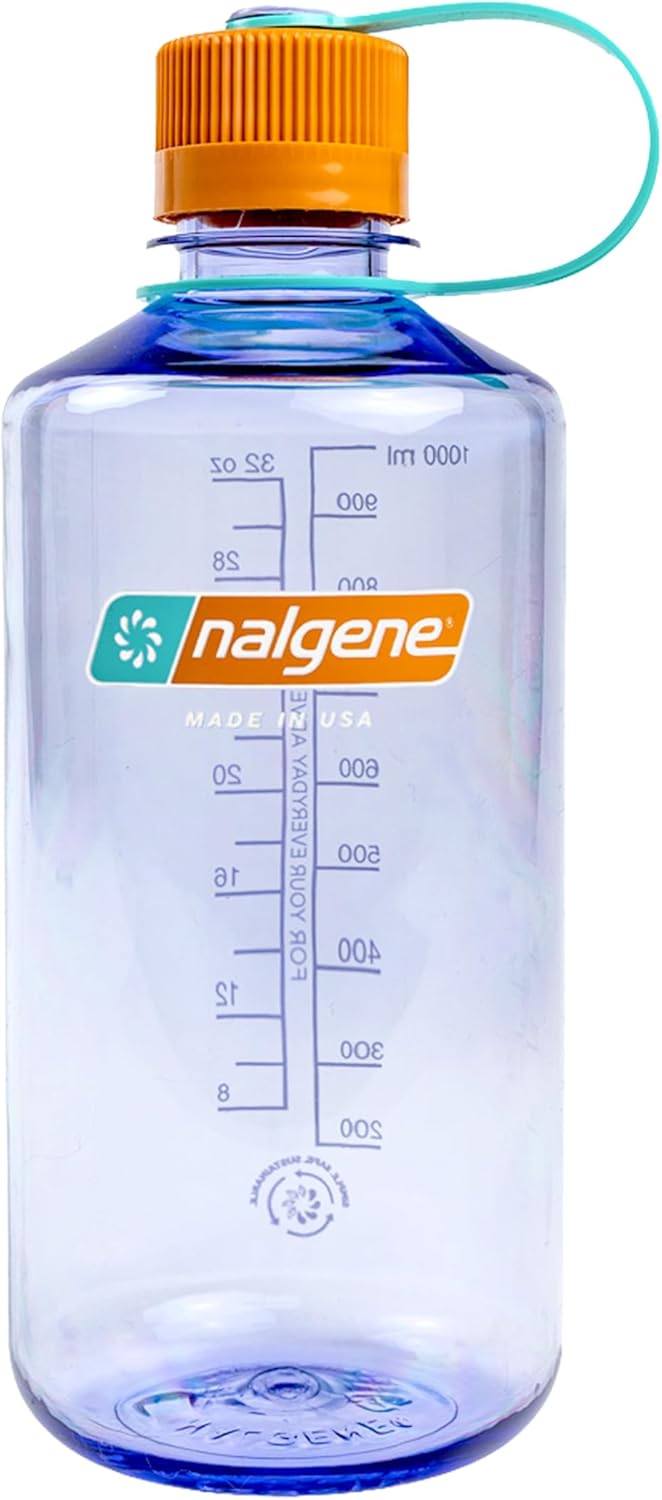
Again, the bottle has to be perfectly clear and incredibly durable for SODIS to work. Personally, I use the clear Nalgene because it’s compatible with this method and it’s also perfect for bug-out bags or vehicle kits:
Sale
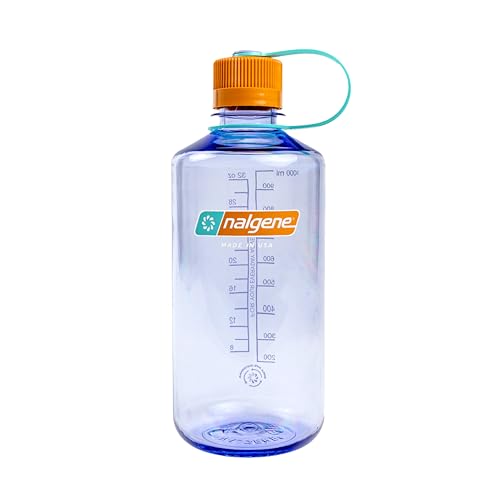
Nalgene 32 oz Narrow Mouth Water Bottle | BPA-Free, Durable & Leak Proof, Lightweight Bottle for…
- SIP WITHOUT SPILLING: Designed for easy-chugging convenience, the Nalgene 32 oz Narrow Mouth Water Bottle keeps you hydrated…
- DURABLE & LEAK-PROOF: This impact-resistant plastic water bottle survives drops on hiking trails, gym floors, and office…
Last update on 2026-05-13 / Affiliate links / Images from Amazon Product Advertising API
Method 7: Emergency Water Distillation
While standard boiling (Method 3) kills germs, it leaves heavy metals and chemicals right there in the pot. Distillation is completely different because you do not drink the original water. Instead, you capture the pure vapor. This method is strictly for chemically contaminated water, like toxic flood runoff, ocean saltwater, or industrial spills,
- Instructions: Boil the contaminated water in a covered pot with a heat-safe tube attached to the lid. Run the other end of the tube into a separate, clean collection jug so the pure steam can cool, condense, and turn back into safe drinking water.
- Pros: Removes non-biological threats like ocean salt, heavy metals, and chemical runoff that standard filters and chemical treatments cannot touch.
- Cons: Incredibly fuel-intensive, takes a very long time, and yields only a tiny amount of drinkable water for the effort.
- Note: Boiling water that is heavily contaminated with volatile industrial chemicals can create toxic gas. If your water source is that severely compromised, do not attempt to distill it in your kitchen. It is safer to evacuate the area.
Here’s a quick comparison table of all 7 water purification methods:
| Method | Gravity Filtration | Liquid Bleach | Heat and Boiling | Chlorine Dioxide | UV Light | Solar (SODIS) | Distillation |
| Best For | Family bug-in, stored water, rain barrels | Clear but suspect tap, well, or stored water | Sewage risk, post-flood tap water | Bug-out bags, backups, or when filters clog | Fast treatment of clear water | Last resort (No gear/fuel/bleach) | Saltwater, heavy metals, or chemical runoff |
| Power/Fuel | None | None | High (Fire or Gas) | None | Battery / USB | Direct Sun | Very High |
| Speed | Passive flow | 30 Minutes | 1 min at boil | Up to 4 Hours | Seconds | 6 to 48 Hours | Very Slow |
| Product Used | LifeStraw Mission | Household Bleach | Stove | Chlorine Dioxide Tablets | Steripen Ultra | Clear PET Bottle | No product recommended |
| Image |  |
 |
 |
 |
 |
 |
|
| Price | Check Price | Check Price | Check Price | Check Price | Check Price | Check Price | None |
Which Water Purification Method to Choose?
Do not guess in the dark. Follow this basic logic to match the right method to the right threat:
- IF the water is from your tap but under a boil advisory, THEN use high volume gravity filtration.
- IF the water is drawn from a stream or rain barrel and is cloudy, THEN pre filter it through cloth and use chlorine dioxide tablets.
- IF the water smells like gasoline or chemical flood runoff, THEN don’t even attempt to filter or purify it. Walk away.
FAQs About Water Purification Methods
Can I use a small camping straw filter for my whole family? Camping straw filters are excellent for individuals on the move, but they are not realistic for family household use. A family of four needs roughly four to eight gallons of water per day for drinking and basic hygiene. Squeezing that much water through a tiny personal filter is exhausting and highly inefficient. A gravity filter is much better suited for families.
Does boiling water remove chemicals or heavy metals? No. Boiling water only kills biological threats like viruses, bacteria, and cysts. It does not remove heavy metals, lead, or chemical runoff. In fact, boiling chemically contaminated water will cause the water to evaporate, which leaves the remaining chemicals in the pot even more concentrated and dangerous.
How long does household bleach last for water purification? Standard unscented liquid bleach begins to lose its potency rapidly after six months. After a year, it has largely broken down into salt and water. If you are relying on bleach for emergency water treatment, you must rotate your supply every six months. Do not use splashless or scented bleach, as the added chemicals are toxic to consume.
QUICK POLL
Chemical water purification. Is it survival lifeline or a chemical hazard in disguise?
What’s your choice? Defend in the comments below.