



Snow squalls do not build slowly. They erase the road in seconds.
One moment you have lanes, brake lights, and depth perception. The next moment those references vanish and every driver around you is reacting late. Most serious crashes during snow squalls happen in the first few minutes because drivers hesitate, brake abruptly, or stop in unsafe places.
This snow squall driving safety protocol is written for that exact moment. It provides a fixed execution order when visibility collapses and normal winter driving instincts fail. It is not general advice. It is a step by step sequence designed to reduce collision risk during sudden whiteouts.
Read once. Execute in order.
Safety Protocol At-A-Glance
Inside this protocol you will find:
-
A clear light use sequence to avoid confusing other drivers
-
Rules for controlled deceleration that reduce chain reaction braking
-
A fast exit versus stay decision model
-
Guidance on where to stop to reduce secondary collision risk
-
Adjustments when passengers or children limit flexibility
This snow squall driving safety protocol is focused on order, not theory.
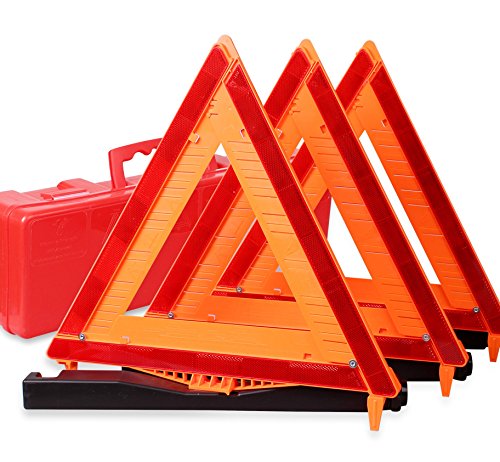
CARTMAN 3 Pack Warning Triangle DOT Approved Identical to United States FMVSS 571 125 Reflective…
- EFFECTIVE REFLECTIVE – Our road triangles are DOT approved! Meets U.S. Federal Motor Vehicle Safety Standard FMVSS 571.125…
- COMPLETE VISIBILITY – Composed of 17 x 17 Inches reflective panel and fluorescent plate, our reflective triangles are…
Last update on 2026-01-02 / Affiliate links / Images from Amazon Product Advertising API
(As an Amazon Associate, we earn from qualifying purchases.)
The Snow Squall Driving Safety Protocol
Follow these steps in sequence. Do not skip ahead.

1. Detect
What to do
Activate the snow squall driving safety protocol immediately if visibility drops by half or more within seconds. Treat it as a snow squall or whiteout if blowing snow crosses the roadway, lane markings disappear, taillights ahead vanish suddenly, or the road surface turns flat white or dull gray.
Early detection matters. Snow squalls often intensify before they improve.
Sale
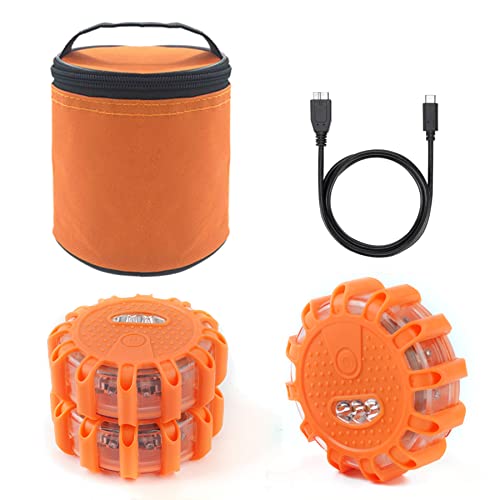
Ecoangel USB Rechargeable LED Road Flares Emergency Lights-Roadside Warning Car Safety Beacon…
- VEHICLE SAFETY:LED Road Flares Emergency Lights, A safety Kit you must have for cars, trucks, boats, vehicles, marines or…
- 9 DIFFERENT EMERGENCY FLASHING MODES – Each LED Safety flare light has 9 flashing modes for different SOS rescue signals both…
Last update on 2026-01-02 / Affiliate links / Images from Amazon Product Advertising API
What not to do
Do not wait for weather alerts or confirmation from apps. Do not assume the squall will pass quickly. Do not accelerate to escape it.
Why this step comes first
Delayed recognition leads to late braking and unsafe lane decisions.

2. Decelerate
What to do
Ease off the immediately. Apply smooth progressive braking. Reduce speed before visibility drops to zero. Keep steering inputs small and steady.
Within the snow squall driving safety protocol, speed must always match the distance you can see ahead.
What not to do
Do not brake abruptly unless impact is unavoidable. Do not use cruise control. Do not make sudden steering corrections while slowing.
Why this step comes now
Abrupt braking in low visibility is the leading cause of snow squall pileups.

3. Lights
What to do
Turn on low beam headlights immediately. Use hazard lights briefly during abnormal slowing to signal unexpected deceleration.
What hazard lights communicate
They signal that traffic is slowing more than normal and conditions ahead are abnormal.
Correct use within the snow squall driving safety protocol
Use hazards for ten to twenty seconds while slowing. Turn them off once speed stabilizes. Reactivate briefly if you must slow again.
What causes confusion
Leaving hazards on continuously at highway speed masks brake lights. Using hazards without headlights reduces visibility. Erratic hazard use creates uncertainty.
What not to do
Do not use high beams. Snow reflects high beam light back toward you and destroys depth perception. Do not rely on hazards alone.
Why this step comes now
Clear signaling reduces rear end collisions when visibility collapses suddenly.

4. Space
What to do
Increase following distance to at least eight to ten seconds. If you cannot see brake lights ahead, assume traffic may be stopped. Allow faster vehicles to pass when possible. Stay centered in your lane using road edge cues if visible.
In the snow squall driving safety protocol, space replaces vision.
What not to do
Do not follow another vehicle closely to use its lights as a guide. Do not weave lanes searching for visibility. Do not match the speed of aggressive drivers pushing forward.
Why this step comes now
Space is the only remaining buffer when visual information disappears.

5. Exit Lanes
This is the commitment point of the snow squall driving safety protocol.
What to do
Commit early to leaving active travel lanes. Exit priority should be highway exits first, then rest areas or service plazas, then wide shoulders that are well clear of traffic. Signal early. Move gradually. Maintain a predictable speed until you are fully out of the travel lane.
Lane exit guidance
Identify your exit or shoulder before visibility fully collapses. Signal for several seconds. Drift smoothly without sharp steering. Clear the lane completely before slowing further.
Legal considerations
Shoulder use rules vary by state and province. Most jurisdictions permit shoulder use to avoid imminent danger, but stopping on shoulders still carries risk.
What not to do
Do not stop in live lanes. Do not block traffic while deciding. Do not make last second dives for exits. Avoid stopping on blind curves or narrow shoulders if possible.
Why this step comes now
Most fatal pileups occur in active lanes, not after vehicles exit.

6. Shelter
Once off the active roadway, decide whether to stay put or relocate.
Stay in the vehicle if
Visibility is near zero, traffic remains unpredictable, and you are fully off the roadway. Re entering traffic during a whiteout often increases risk.
Relocate only if
A close and clearly visible shelter can be reached without re entering live lanes. Movement must be slow and deliberate.
Safe shelter options
Rest areas, service plazas, truck stops, and large parking lots set well back from the road.
Passengers and children
When passengers are present, increase spacing further and prioritize earlier exits. Avoid repositioning unless conditions clearly improve.
Vehicle stay put basics
Keep headlights on. Use hazards intermittently if visibility worsens. Run the engine periodically for heat only if the exhaust pipe is clear. Crack a window slightly if safe to reduce condensation.
What not to do
Do not walk along highways in whiteouts. Do not abandon a visible vehicle for distant shelter. Do not assume stopped traffic will see you.
Why this step comes last
Secondary collisions often strike poorly positioned stopped vehicles.
Sale

Military Wool Blanket – 80% Wool, Washable, Perfect for Outdoors, Camping, Picnic, Travel, Car &…
- DESIGNED FOR DURABILITY: Our Ever Ready First Aid wool blankets are built to last, featuring a sturdy construction that holds…
- VERSATILE AND STYLISH: Loom-woven and hemmed on all sides with contrast stitching, our Olive Drab blanket is perfect for…
Last update on 2026-01-02 / Affiliate links / Images from Amazon Product Advertising API
Embedded Micro Guides
Offline maps
Once stopped safely, take a screenshot of your map showing exits and nearby services. Snow squalls often coincide with network outages.
Insurance and legal basics
Do not admit fault roadside. Exchange information only after conditions stabilize. Document road conditions and visibility once you are safe. Photos are more useful than explanations.
Why secondary collisions happen
Drivers follow taillights too closely, misuse hazard lights, and stop in unsafe locations. This snow squall driving safety protocol exists to break that chain.
Optional Aids
No new gear is required.
A clean windshield inside and out, a working defroster, functional headlights and hazard lights, adequate fuel for periodic idling, and tires suitable for winter conditions all support safer outcomes.
Compliance and Safety Notes
This snow squall driving safety protocol is educational guidance only. No guarantees are made. Laws vary by jurisdiction. Always follow local transportation and emergency guidance when available.
Final Thoughts
Snow squalls remove decision time before they remove visibility.
This snow squall driving safety protocol gives you order when everything else disappears.
Detect early. Slow smoothly. Signal clearly. Create space. Exit lanes. Shelter smart.
Read once. Execute in order.
FAQs
Q: What is a snow squall driving safety protocol?
A snow squall driving safety protocol is a step by step decision order drivers follow when visibility drops suddenly, focusing on controlled slowing, clear signaling, spacing, exiting lanes, and safe sheltering.
Q: How fast can a snow squall reduce visibility?
A snow squall can reduce visibility from clear conditions to near zero in seconds due to intense snowfall and wind, often faster than drivers can react without a protocol.
Q: Should you use hazard lights during a snow squall?
Yes, hazard lights can be used briefly during abnormal slowing to signal unexpected deceleration, but within the snow squall driving safety protocol they should be turned off once speed stabilizes to avoid masking brake lights.
Q: Is it safer to pull over during a snow squall?
It is safer to exit active travel lanes early when possible. The snow squall driving safety protocol prioritizes highway exits, rest areas, or wide shoulders over stopping in live lanes.
Q: Can you stop on the shoulder during a snow squall?
Shoulder use rules vary by jurisdiction, but most regions allow shoulder use to avoid imminent danger. Drivers should stop only when fully clear of traffic and visible.
Q: What causes most snow squall pileups?
Most snow squall pileups are caused by late braking, tailgating, poor visibility, improper hazard light use, and vehicles stopping in active lanes without enough warning.
Q: What should you do if visibility drops to zero?
If visibility drops to zero, the snow squall driving safety protocol advises staying in the vehicle once safely off the roadway, keeping headlights on, and avoiding re entering traffic until conditions improve.
